AMD vs. Intel: How the Underdog Came Back
For years, buying a computer often meant seeing the same little sticker: Intel Inside.
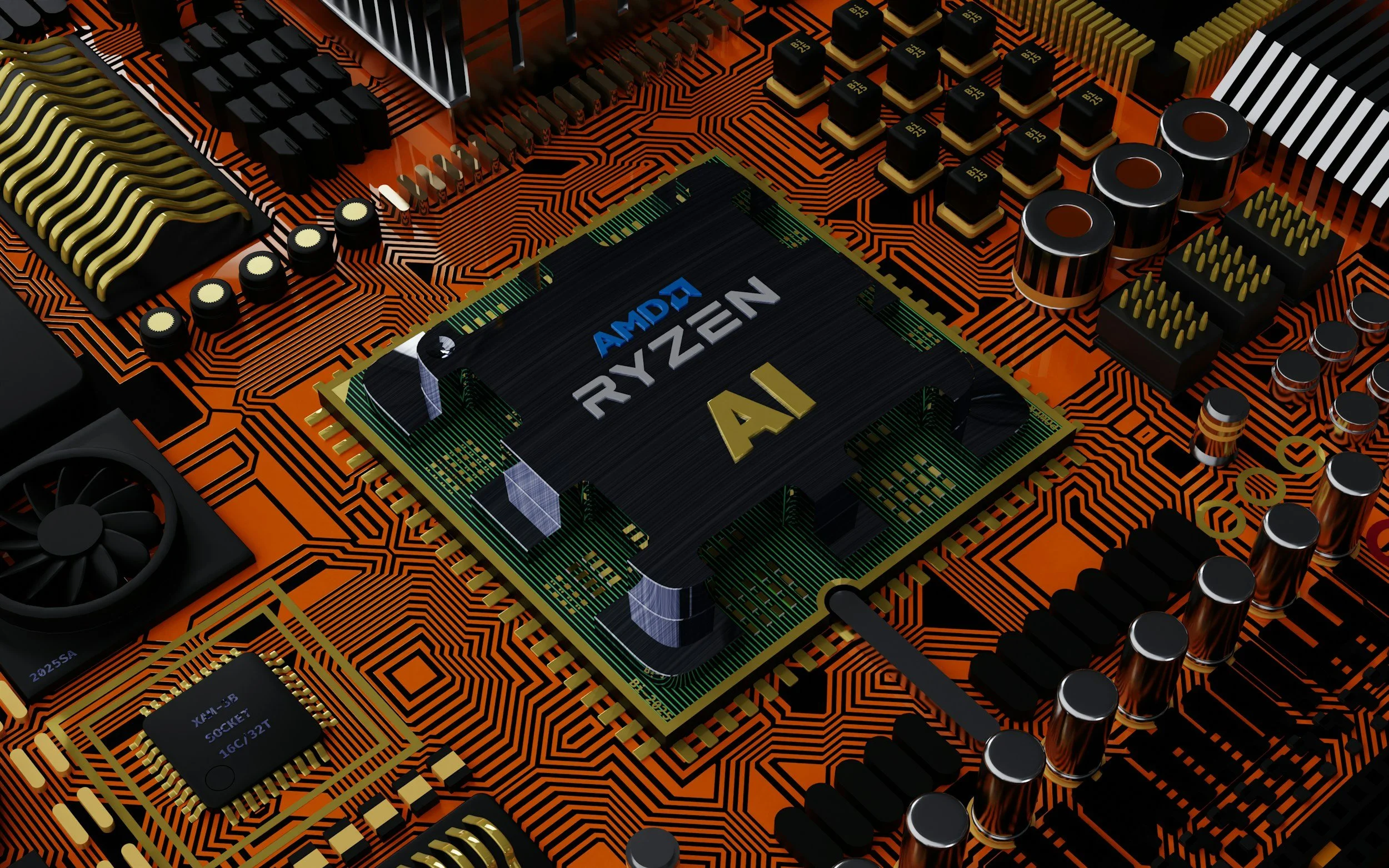
Intel dominated the PC processor business, while its much smaller rival AMD spent years trying to keep up.
By the mid-2010s, the fight looked increasingly one-sided.
Then AMD made a bet called Zen.
The new processor architecture eventually powered Ryzen, launched in 2017. AMD suddenly had something it badly needed: processors that gave consumers a compelling alternative to Intel.
And AMD didn't stop at laptops and desktops.
Its EPYC processors attacked the lucrative server market—the chips powering the giant data centers behind cloud computing.
The timing helped.
Intel was dealing with manufacturing delays while AMD increasingly relied on outside manufacturers such as TSMC.
An old Intel advantage had become less decisive.
AMD hadn't destroyed Intel. It had done something arguably more impressive:
It made the fight matter again.
And then the battlefield changed.
The AI boom turned Nvidia into the semiconductor industry's new giant, leaving both AMD and Intel chasing an even bigger opportunity.
AMD spent years fighting its way back into the game.
Now it has another giant to catch.
Sources: AMD · Intel · SEC filings
Published September 23, 2026