Visa vs. Mastercard: Why Two Companies Dominate Your Wallet
Look inside your wallet.
Your credit card might say Chase, Capital One or Bank of America.
But somewhere on it, there's a good chance you'll also find Visa or Mastercard.
That's because Visa and Mastercard usually aren't the banks lending you the money.
They're the networks connecting everyone together.
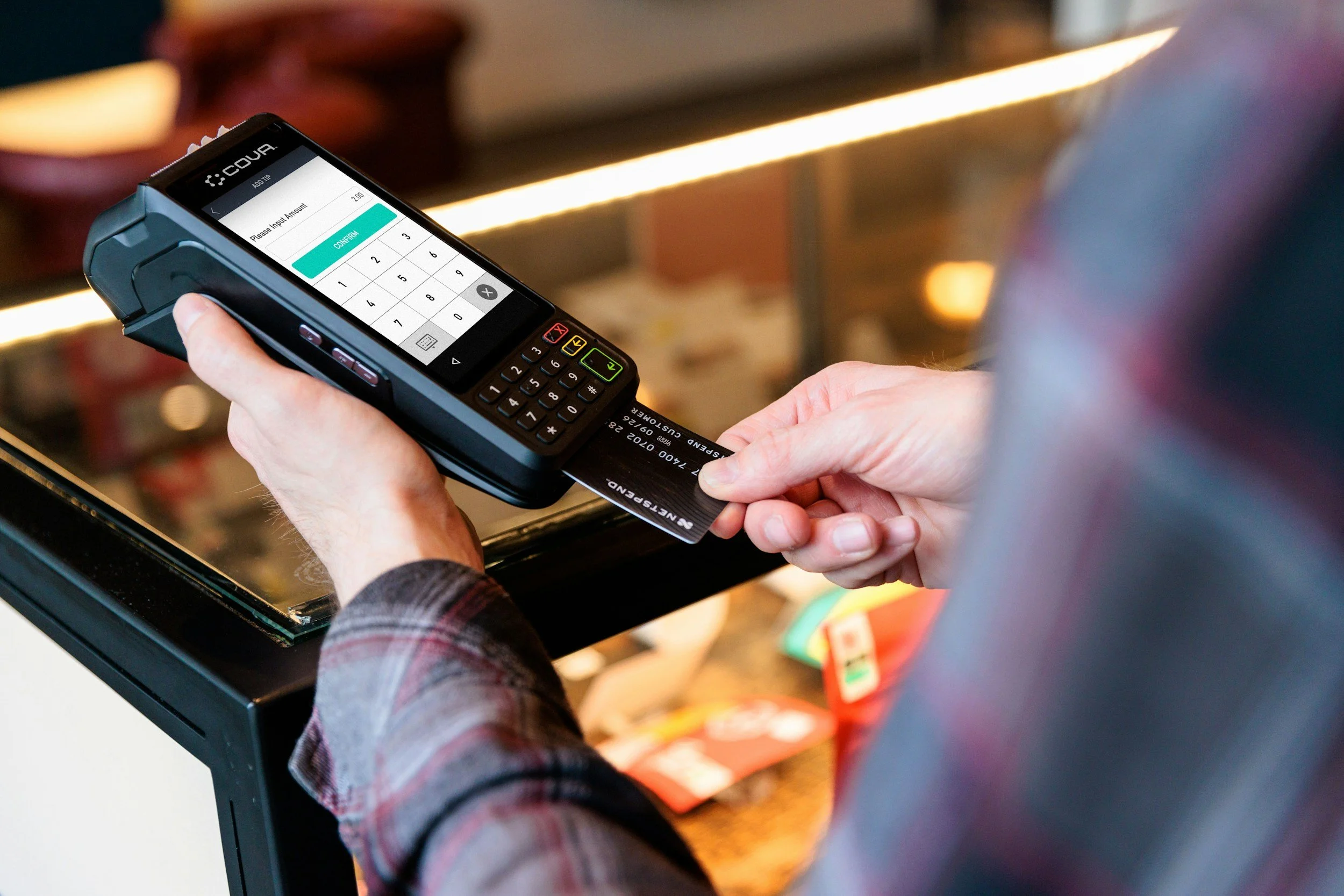
When you tap your card, a complicated conversation begins between the merchant, its bank, your bank and the payment network—all in seconds.
Visa and Mastercard built enormous global infrastructure to make that happen.
In fiscal 2025, Visa said nearly 5 billion payment credentials carrying its brands were available at more than 175 million merchant locations worldwide.
Mastercard reported $10.6 trillion in gross dollar volume and 175.5 billion switched transactions during 2025.
And scale creates a powerful loop.
Consumers want cards accepted everywhere. Merchants want to accept the cards customers already carry. Banks want to issue cards their customers can use almost anywhere.
The larger the network becomes, the harder it is to replicate.
That's the fascinating part of this rivalry.
Visa and Mastercard don't need to own the stores.
They don't need to manufacture the products.
They generally don't even need to lend you the money.
They built the highways the money travels on.
And every time the world moves further from cash toward digital payments, those highways become even more important.
Sources: Visa 2025 Annual Report · Mastercard 2025 Annual Report
Published September 24, 2026