WeWork: How a $47 Billion Company Ran Out of Room
At its peak, WeWork was valued at roughly $47 billion.
It rented desks.
Of course, that's an oversimplification. And that's exactly what made WeWork fascinating.
The company leased enormous amounts of office space, redesigned it beautifully, divided it into smaller spaces and rented those spaces to startups, freelancers and companies.
But WeWork didn't present itself like a landlord.
It presented itself like a technology company changing the future of work.
Investors bought the story. Money poured in. WeWork expanded around the world. In 2019, SoftBank invested at a valuation of approximately $47 billion.
There was one uncomfortable problem hiding underneath the vision.
WeWork's obligations were long-term. Its customers weren't.
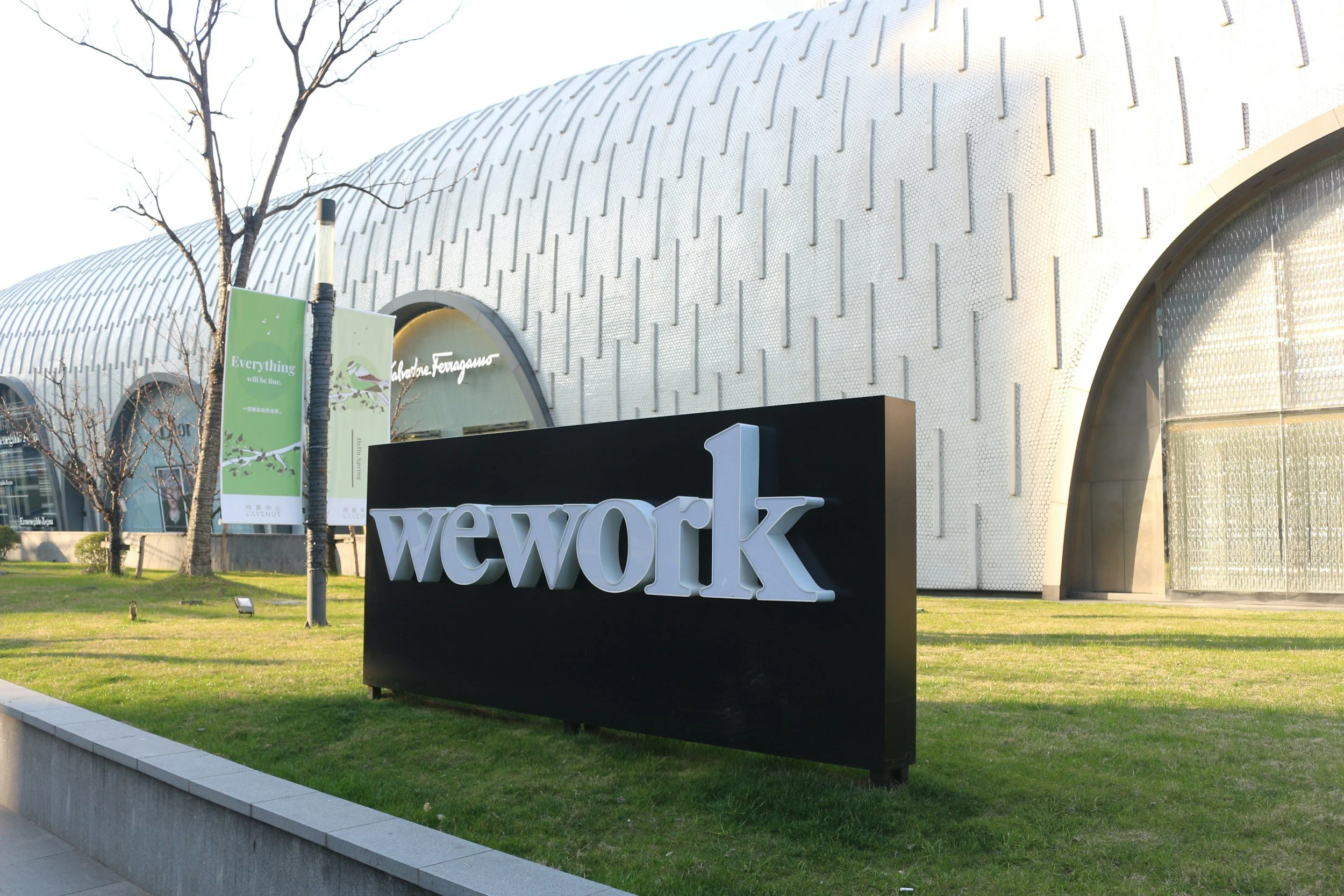
WeWork could sign an office lease lasting years, while a customer might rent space for months.
When buildings were full and demand was growing, that looked manageable.
When demand weakened, the mismatch became painful.
Then WeWork tried to go public in 2019.
Its IPO filings brought intense scrutiny to its losses, corporate governance and business model. The offering collapsed.
Then came COVID.
Offices emptied. Remote work exploded. And WeWork was left carrying exactly the thing it had accumulated so aggressively:
office leases.
In November 2023, WeWork filed for Chapter 11 bankruptcy protection.
The company eventually emerged from bankruptcy in 2024 after restructuring leases, reducing costs and eliminating billions in debt.
The strange thing is that WeWork's basic product wasn't ridiculous.
Flexible offices are useful.
The failure was believing that putting technology, free beer and enormous ambition around real estate somehow removed the economics of real estate.
It didn't.
WeWork wanted to change the office.
The office eventually reminded WeWork who owned whom.
Published: September 26, 2026
Sources: Reuters Report, WeWork SEC Filling