Abercrombie & Fitch: How the Mall Brand Grew Up
There was a time when Abercrombie & Fitch was almost impossible to ignore.
Dark stores. Loud music. Shirtless models. Giant logos.
It built one of the most recognizable identities in American retail.
Eventually, that identity became the problem.
The brand lost relevance, faced controversies and watched the mall culture that helped create it change dramatically.
Abercrombie could have spent the next decade trying to recreate its glory days.
Instead, it grew up with its customers.
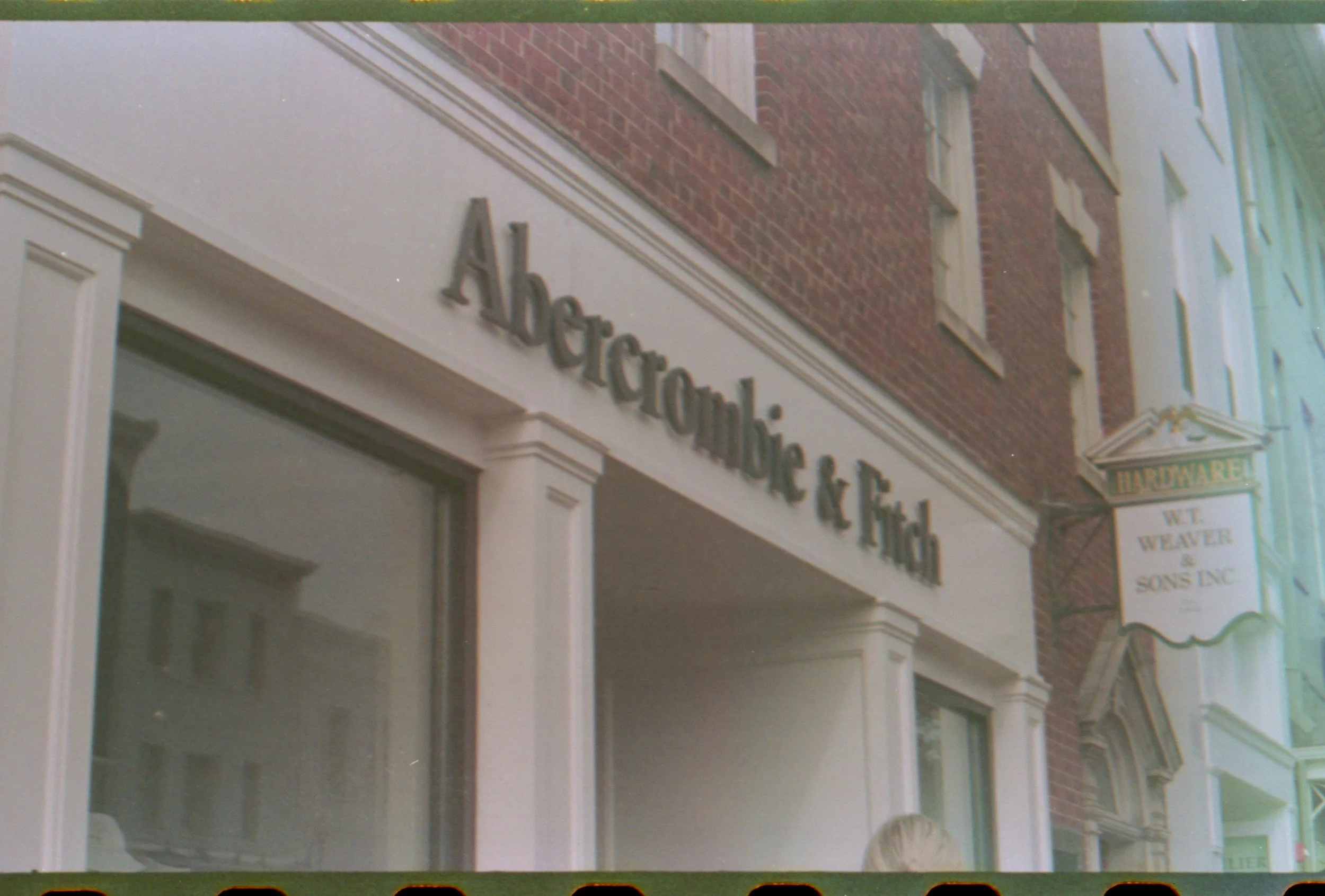
The logos became less important. The stores became brighter. The product expanded into wedding guest dresses, workwear, tailored pants and everyday clothing aimed at customers who were no longer teenagers.
In other words:
Abercrombie stopped trying so hard to look like Abercrombie.
The financial transformation has been remarkable.
Abercrombie & Fitch Co. generated a record $5.3 billion in sales in fiscal 2025, up 6%, and delivered a 13.3% operating margin.
The momentum has continued into 2026. After its second-quarter results, the company raised its full-year sales and profit outlook, with sales at the Abercrombie brand growing 8% in the quarter.
What's fascinating is that Abercrombie didn't rescue itself by finding a completely new customer.
It realized its old customer had changed.
The teenagers who once bought logo-covered hoodies became adults who needed clothes for work, weddings and dinner.
Abercrombie changed with them.
Most brands desperately try to stay young forever.
Abercrombie discovered something more useful:
Sometimes the best way to survive is to grow up.
Published September 24, 2026
Sources: Fortune Report, Retail Dive Report