Why IKEA Makes You Walk Through the Entire Store
You enter IKEA looking for a lamp.
Twenty minutes later, you're standing inside a fake bedroom.
Then a fake kitchen.
Then another living room.
Somehow you're holding three storage boxes.
You still haven't found the lamp.
This isn't how most stores work.
And that's the point.
IKEA doesn't just show products
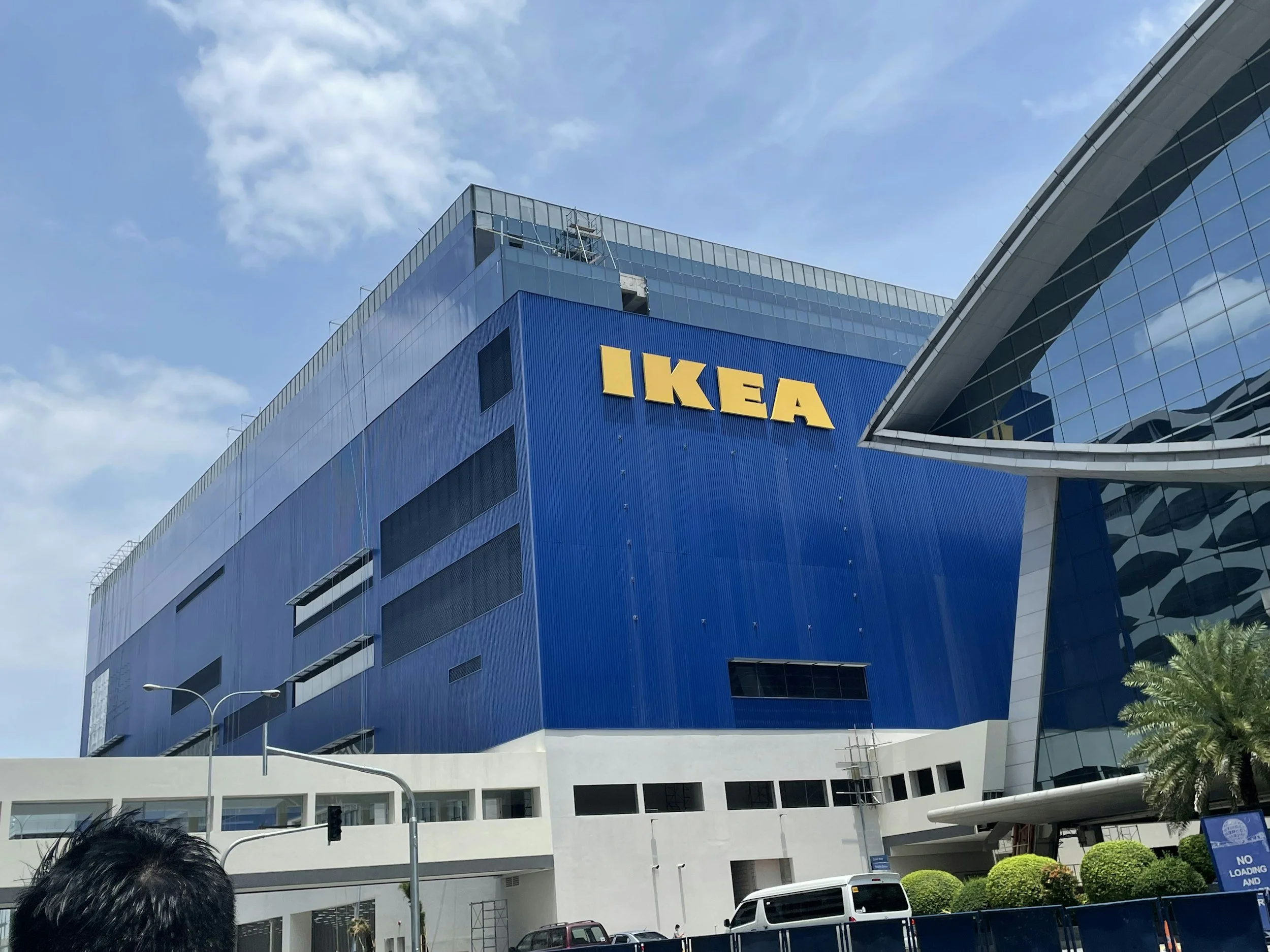
Traditional retailers often organize themselves around efficiency.
Need toothpaste?
Find the aisle.
Buy toothpaste.
Leave.
IKEA's large traditional stores work differently.
The showroom presents furniture in complete rooms: living rooms, kitchens, bedrooms and workspaces. Then shoppers move into the Market Hall for smaller products, followed by the self-serve furniture area and checkout.
IKEA's own store guides literally show a main route passing sequentially through these departments.
IKEA describes its stores as places where customers can walk around, touch, sit on, try and interact with products, and its U.S. business still describes its traditional stores as expansive experiences with winding showrooms.
That changes what shopping feels like.
You're not looking at a sofa on a shelf.
You're looking at a sofa inside a living room.
Beside a rug.
Under a lamp.
Next to a table.
Suddenly you're not evaluating one product.
You're imagining your house.
Discovery is part of the product
The long route also creates something retailers love:
exposure.
If you walked directly to the lamp aisle and directly back out, IKEA would have one opportunity to sell you something.
Walk through bedrooms, kitchens, offices, storage, lighting and decoration, and you encounter hundreds of things you didn't originally come to buy.
That doesn't mean IKEA literally prevents you from escaping.
Its store maps identify shortcuts, and formats differ between locations.
And IKEA is increasingly opening smaller formats alongside the classic giant warehouse as customers demand more convenient ways to shop.
But the classic IKEA experience demonstrates an important retail idea:
Efficiency isn't always the goal.
Amazon wants you to search for a lamp and find it immediately.
A physical store can benefit from doing something the internet struggles to replicate:
making you wander into something you didn't know you wanted.
That's why an IKEA trip can begin with:
“We just need a lamp.”
And somehow end with a lamp, six glasses, two pillows, a plant pot and Swedish meatballs.
You thought you were lost.
IKEA calls that shopping.
Published: September 28, 2026
Sources: IKEA Corporate News