Why Printers Are Cheap and Ink Is Ridiculously Expensive
Buying a printer can feel strangely affordable.
Then the ink runs out.
Suddenly you're standing in a store holding a few tiny plastic cartridges and wondering:
How can these things cost so much?
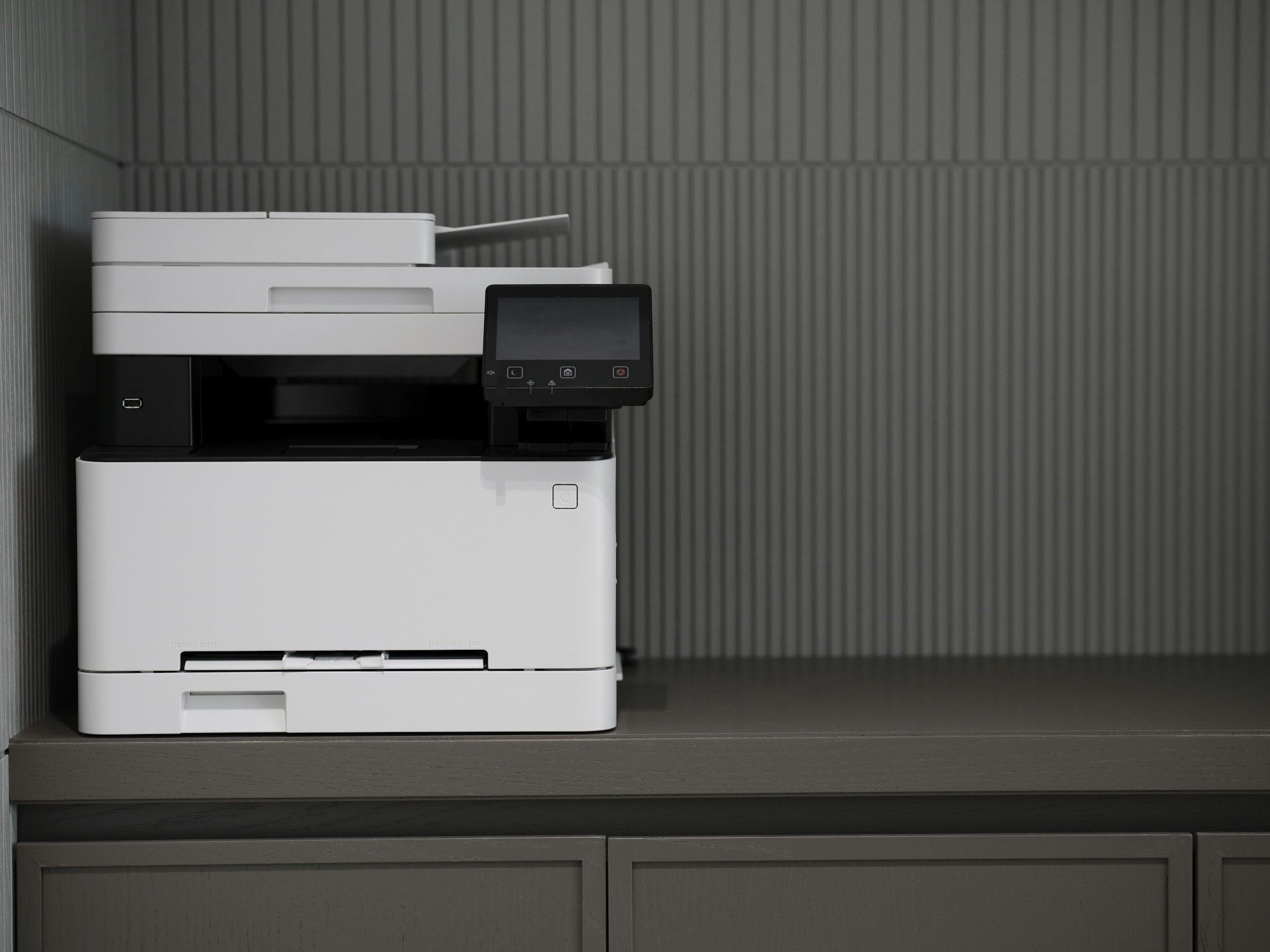
It feels backwards.
But that's because the printer and the ink aren't really two separate businesses.
They're two parts of the same one.
The first purchase isn't necessarily the important purchase
Imagine two ways of selling the same product.
Company A sells you a machine for $300 and everything afterward is cheap.
Company B makes the machine inexpensive—but once it's sitting in your house, you repeatedly buy supplies for it.
Company B has something valuable:
a recurring customer.
Printers fit this model unusually well.
You buy the hardware once.
You buy ink or toner again and again.
HP's financial statements make the scale visible.
In fiscal 2025, HP generated about $1.15 billion from Consumer Printing hardware.
Its Supplies business generated about $10.9 billion.
That supplies number includes more than home ink cartridges—it also covers laser cartridges and other printing consumables but the difference illustrates just how important recurring supplies are to the printing business.
HP itself describes supplies as consumable products intended for recurring use with its hardware.
The printer gets you into the ecosystem
This business strategy is often compared with the classic razor-and-blades model.
Sell the durable thing attractively.
Make money over time from the thing that needs replacing.
Razors and blades.
Coffee machines and pods.
Game consoles and games or subscriptions.
Printers and ink.
Once the machine is already sitting on your desk, replacing the entire printer because you've run out of cyan ink is inconvenient.
So you buy another cartridge.
Then another.
Then another.
That's also why printer manufacturers care enormously about third-party ink.
HP explicitly identifies cheaper non-original, refill and remanufactured supplies as competitors to its printing business.
The printer sale isn't necessarily the end of the transaction.
In a sense, it's the beginning of a relationship.
The economics are changing
There is a twist.
People print less than they used to, and manufacturers are experimenting with subscriptions and other models. HP's supplies revenue has declined in recent years; it fell from about $11.45 billion in fiscal 2023 to $10.92 billion in 2025.
But the underlying lesson remains useful far beyond printers.
Sometimes the surprisingly cheap product isn't where a company expects to make all its money.
It's the doorway.
The printer gets onto your desk once.
The ink keeps coming back.
Published: September 28, 2026
Sources: HP Sec Filling